Wellness First: Designing Flexible Offices for Health, Focus, and Happiness

Wellness First: Designing Flexible Offices for Health, Focus, and Happiness

Written by: Daniel Lange

Last Update: 27 May, 2025Read: 7 minutes
In today's fast-paced corporate environment, the health and well-being of employees have become pivotal factors for business success. As companies seek to attract and retain top talent, they are increasingly focusing on creating workplaces that foster productivity and support physical, mental, and emotional well-being.

Enter the era of wellness-focused workspace design–a holistic approach that emphasises health, focus, and happiness in modern offices.

The Shift Towards Wellness in Office Design

Traditionally, offices were designed with efficiency and cost in mind. Rows of cubicles, artificial lighting, and rigid layouts were the norm. However, evolving work patterns, especially post-pandemic, have prompted organisations to rethink how and where people work. This paradigm shift has led to a trend in wellness-focused workspace design, where the workplace becomes an enabler of well-being and high performance.

At the core of this movement is the recognition that people are an organisation's most valuable asset. Investing in their wellness is no longer seen as optional but essential.

Oxford University research shows that employees who feel healthier and happier at work are 13% more productive than others. The WELL Building Standard has emerged as a benchmark, offering a framework for organisations to design workplaces that prioritise human health.

Key Elements for Designing Wellness-centred office spaces for Health, Focus, and Happiness

The key elements for designing wellness-centred office spaces for health, focus and happiness are presented below.

1. Natural Light and Biophilic Elements: Designing with Nature

Integrating natural light and biophilic elements is one of the most impactful changes in wellness-focused office space design. Numerous studies have shown that exposure to daylight can improve sleep quality, boost mood, and enhance cognitive performance. PR Newswire reported that optimal daylight exposure can reduce eyestrain and headaches by up to 84% among office workers.

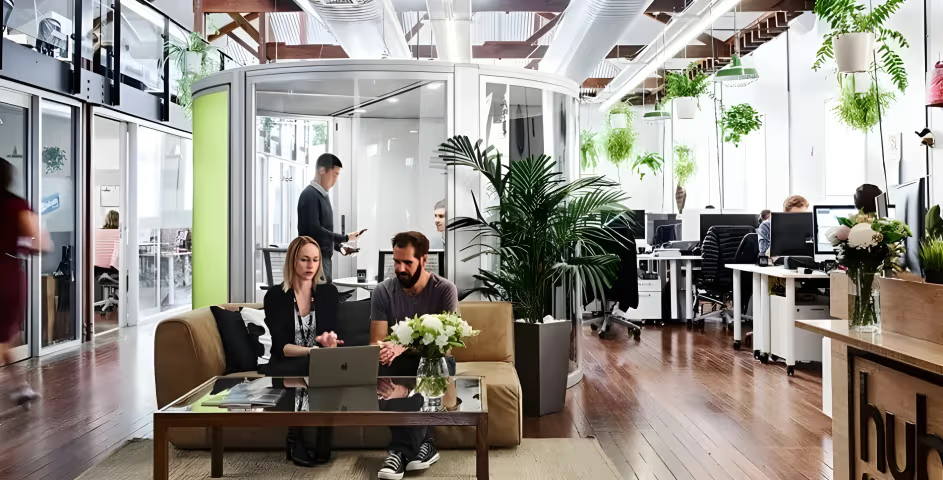
Biophilic design takes this further by incorporating natural materials, indoor plants, and water features. These elements mimic the calming effects of nature, reduce stress, and improve air quality. Modern office space providers like Regus and Servcorp have adopted this approach by integrating business gardens into each office floor. These green zones promote mindfulness and encourage activity-based work, blurring the lines between indoor and outdoor environments.

2. Ergonomics and Movement: Supporting Physical Wellness

Physical discomfort and sedentary behaviour are common issues in conventional office setups. Wellness-centred office spaces address these by focusing on ergonomics and movement. Adjustable workstations, ergonomic chairs with lumbar support, and dynamic desks that allow for sitting or standing are now becoming standard.

For example, GPT Space&Co at 201 Sussex Street features ergonomically designed furniture, gym, communal areas and easily accessible staircases leading to a sunlit atrium. These elements minimise physical strain and encourage spontaneous movement throughout the day. The design incorporates visible signage to promote stair usage, standing breaks, and walking meetings, combating the adverse health effects of prolonged sitting.

3. Flexible Work Zones: Catering to Diverse Needs

Flexibility is a key component of both wellness and productivity. Employees perform different tasks throughout the day, each requiring different environments. Wellness-centred office spaces offer a range of settings—quiet zones for focused work, collaborative areas for brainstorming, and social spaces for relaxation.

Servcorp at 25 Martin Place exemplifies this concept. It includes a welcoming hospitality-focused entry zone, multiple meeting rooms, and an open game area with space for table tennis and other activities. This variety enables employees to choose where and how they work and utilise their free time in physical activities. These initiatives reduce stress and improve work-life balance. Adaptable spaces also support organisational changes and team growth, making the office a dynamic asset rather than a static expense.

4. Mental Wellness: The Role of Design in Reducing Stress

Work-related stress remains one of the leading causes of burnout and absenteeism. Wellness-first office design aims to mitigate this by creating environments that reduce cognitive overload and promote psychological safety. Natural textures, soothing colour palettes, noise-cancelling features, and uncluttered layouts create a calm, focused atmosphere.

Social connection also plays a crucial role in mental well-being. Communal spaces like work cafes, game rooms, and amphitheatres encourage informal interactions, team bonding, and a sense of belonging. These office design choices help foster a supportive community culture, reducing feelings of isolation and improving job satisfaction.

5. Nutrition and Wellness: Healthy Choices at Work

Food is another critical element of wellness that is often overlooked in office design. The WELL Building Standard advocates for the availability of healthy food options to support sustained energy and mental clarity throughout the day. A study presented in the British Journal of Health Psychology found that diets rich in fruits and vegetables can boost eudaemonic well-being, creativity, and curiosity, resulting in better productivity.

The Great Room at 1 O'Connell Street implemented this approach by introducing an in-house cafe and retail shops where a variety of healthy options, including fruits and vegetables, are available. Food labels also provide nutritional information, highlight allergens, and suggest healthy alternatives. Clean, hygienic pantry areas and assistance for food storage or reheating further support a culture of mindful eating.

6. Technology and Smart Design Integration

Wellness-centred office spaces are also leveraging technology to enhance the employee experience. Smart lighting systems that adjust according to natural daylight, indoor air quality monitors, and sensor-based occupancy tracking contribute to healthier, more efficient environments. These features support well-being and provide data that can inform future design decisions.

Touchless technology, temperature control, and digital collaboration tools also help create a seamless and safe work experience, especially in the post-pandemic era. Integrating tech-enabled wellness features is fast becoming a differentiator for forward-thinking companies.

7. Sustainability and Purpose

Sustainability is intrinsically linked to wellness. Offices that prioritise energy efficiency, waste reduction, and eco-friendly materials create healthier environments while reinforcing a sense of purpose among employees. Knowing that their organisation is committed to sustainability can increase morale and foster a greater sense of corporate responsibility.

From using recycled building materials to incorporating solar panels and efficient HVAC systems, wellness-centred office space designs also benefit the planet. They align employee wellness with broader ESG (Environmental, Social, and Governance) goals, making them a win-win for businesses and the community.

Book Your Next Wellness-Centred Flexible Office Space Today with Office Hub

Designing flexible office spaces with a wellness-first approach is more than a trend—it's a strategic imperative. As we move into a future where hybrid work models and employee expectations evolve, organisations must prioritise environments that support the whole person. From natural light and ergonomic furniture to community spaces and healthy food options, every design choice contributes to a culture of well-being.

Companies like Regus, JustCo, and Servcorp have already adopted this shift, reaping the benefits of happier, healthier, and more productive teams. As more businesses follow suit, the future of work will not just be about getting things done—it will be about thriving while doing them.

Looking to move into a wellness-centred, flexible office space? Office Hub connects you with premium coworking spaces, serviced offices, and private offices, prioritising health, focus, and happiness. Explore these flexible office spaces that meet your business needs and join the movement towards better, smarter workplaces.

Contact us today and find an office space where wellness and productivity go hand in hand.

Frequently Asked Questions (FAQs)

Wellness-focused workspace design is an approach to office planning that prioritises the employees' physical, mental, and emotional well-being. It includes elements like natural lighting, ergonomic furniture, biophilic design, healthy food access, quiet zones for focus, and communal areas that promote social interaction.
The design of a workspace significantly affects employee wellness by influencing stress levels, posture, mood, cognitive performance, and social interaction. For example, exposure to natural light has been linked to improved sleep and productivity, while poor ergonomics can lead to chronic pain and fatigue.
A wellness-focused office includes natural lighting, biophilic elements, and ergonomic furniture to support comfort and focus. Flexible zones, healthy food options, and acoustic control enhance well-being. Smart tech for air, light, and climate ensures a healthier, more responsive workspace.
Small offices can adopt wellness design through affordable, high-impact changes without major renovations. Simple steps like rearranging desks to maximise natural light, adding indoor plants for better air quality, and encouraging movement with standing desks or walking meetings can make a difference.
Yes, colour psychology plays a vital role in shaping mood and behaviour. Cool tones like blues and greens tend to promote calmness and focus, while warmer hues like yellow and orange can boost energy and creativity. Choosing the right colour palette for different zones—e.g., tranquil shades for quiet areas and vibrant tones for collaborative spaces—can enhance employee comfort and productivity.
Wellness design focuses on the health and comfort of the people using the space. In contrast, sustainable design emphasises environmental responsibility through energy efficiency, waste reduction, and eco-friendly materials.

Daniel Lange
Daniel Lange
ABOUT THE AUTHOR
Daniel Lange
Daniel Lange is an athletic sales and finance expert who ensures seamless workspace deals. With his excellent analytical and problem-solving skills, you can trust that you’ll receive the best option for your unique workspace needs.

We are Australia's No. 1 marketplace for serviced, coworking, and shared office space.

Connect with our local experts for flexible workspace solutions across Australia. Get personalized recommendations, arrange tours, and secure the best deals — all at no cost.


Office Hub team memberOffice Hub team memberOffice Hub team memberOffice Hub team member

Talk to our Experts directly

1300 770 200

Latest News

Explore trends, data, and tips shaping Australia’s dynamic office market

Breaking New Ground: Inventory Integrations That Change Everything

Breaking New Ground: Inventory Integrations That Change Everything

In the flexible workspace game, speed and accuracy matter. Outdated listings, incorrect availability, and manual updates don’t just slow you... Read more
Rebecca Philipp11 May, 2026
Pricing Guide for Office Spaces in Australia 2026

Pricing Guide for Office Spaces in Australia 2026

When planning to rent an office space in Australia, the first question most businesses ask is: How much does office space cost in Australia?... Read more
Rick Kamikura16 March, 2026
Managed vs Traditional Office Spaces in Australia: Which One is Right for Your Business

Managed vs Traditional Office Spaces in Australia: Which One is Right for Your Business

Traditional and managed office spaces are popular and viable options that Australian businesses consider to run their operations. However, t... Read more
Rick Kamikura27 February, 2026
Office Hub Launches First Strategic Partnership in the Netherlands, Marking a Major Milestone in Global Expansion

Office Hub Launches First Strategic Partnership in the Netherlands, Marking a Major Milestone in Global Expansion

Office Hub, the global flexible workspace advisory and technology platform, today announced the launch of its first licensed market in the N... Read more
Rebecca Philipp13 January, 2026
A Guide to Employee-Centric Flexible Office Amenities That Actually Matter

A Guide to Employee-Centric Flexible Office Amenities That Actually Matter

The office is no longer just a place to execute tasks; it is a powerful tool for recruiting, retention, and performance. According to WOW Re... Read more
Andrew Beck8 January, 2026
Coworking Space Cost in Australia: A Comprehensive Guide (2026)

Coworking Space Cost in Australia: A Comprehensive Guide (2026)

Coworking spaces have become a popular choice for businesses in Australia, offering numerous advantages such as flexibility, cost-efficiency... Read more
Rebecca Philipp7 January, 2026
Short-Term vs. Long-Term Office Leases: Which One is Better for Your Business?

Short-Term vs. Long-Term Office Leases: Which One is Better for Your Business?

Selecting the right lease term has become a crucial element of modern business. It is not only about getting a workspace anymore; it is abou... Read more
Andrew Beck6 January, 2026
Handling Shared Space Operations: A Guide for Multi-Tenant Management

Handling Shared Space Operations: A Guide for Multi-Tenant Management

Managing a shared workspace is about creating an environment where every tenant feels valued, productive, and supported. When operations run... Read more
Andrew Beck6 January, 2026
How to Make Your Space Eco-Ready and Marketable for Tenants

How to Make Your Space Eco-Ready and Marketable for Tenants

Sustainability is no longer a niche trend in commercial real estate; it is a core expectation for tenants and investors alike. An eco-ready ... Read more
Angeline Suriaatmaja6 January, 2026
What is an Office Pod and How Can It Improve Privacy?

What is an Office Pod and How Can It Improve Privacy?

In the modern Australian workplace, where open-plan layouts dominate from Sydney’s CBD to Brisbane’s tech hubs, a common challenge has emerg... Read more
Miles Anderson5 January, 2026
The Future of Flexible Workspaces: Insights for Space Providers

The Future of Flexible Workspaces: Insights for Space Providers

The flexible workspace industry stands at a critical juncture. The shift to permanent hybrid models is a foundational change driving global ... Read more
Angeline Suriaatmaja12 December, 2025
The Importance of Flexible Lease Terms for Attracting Modern Tenants

The Importance of Flexible Lease Terms for Attracting Modern Tenants

The rental market has fundamentally changed. Today's tenants, driven by dynamic careers and lifestyle needs, are no longer content with ... Read more
Rebecca Philipp12 December, 2025
How to Price Your Office Space Competitively

How to Price Your Office Space Competitively

Setting a market-aligned price for your flexible office space is a critical, ongoing strategic decision. The core goal for every property pr... Read more
Angeline Suriaatmaja11 December, 2025
Is a Flexible Office Right for You? Financial Factors to Consider

Is a Flexible Office Right for You? Financial Factors to Consider

Australian businesses are navigating a workplace revolution. With hybrid work becoming the norm, teams expanding or contracting quickly, and... Read more
Daniel Lange10 December, 2025
Designing Your Perfect Workspace: Layout Tips for Productivity and Culture

Designing Your Perfect Workspace: Layout Tips for Productivity and Culture

Congratulations ! Moving into a new office is a significant milestone for any growing startup. Now that the boxes are unpacked and the WiFi ... Read more
Daniel Lange2 December, 2025