Flexible vs. Conventional Office Space: Which One Is Right for Your Business?
Last Update: 25 March, 2025•Read: 7 minutes
Opening an office is the first step in establishing a strong identity for your business. You generally have two main choices—flexible and conventional office spaces. Conventional offices have been the norm for decades, offering stability and a unique presence. However, flexible office spaces are becoming the go-to choice for the new generation of businesses seeking agility, cost-efficiency, and modern amenities.
This blog will explore the major differences between flexible and conventional office spaces, compare their benefits, costs, and other features, and help you decide which option best suits your business needs and growth plans.
This blog will explore the major differences between flexible and conventional office spaces, compare their benefits, costs, and other features, and help you decide which option best suits your business needs and growth plans.
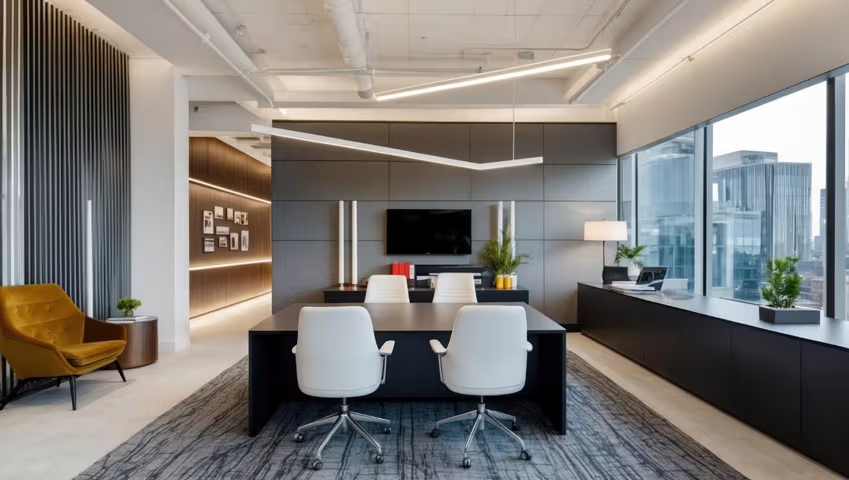
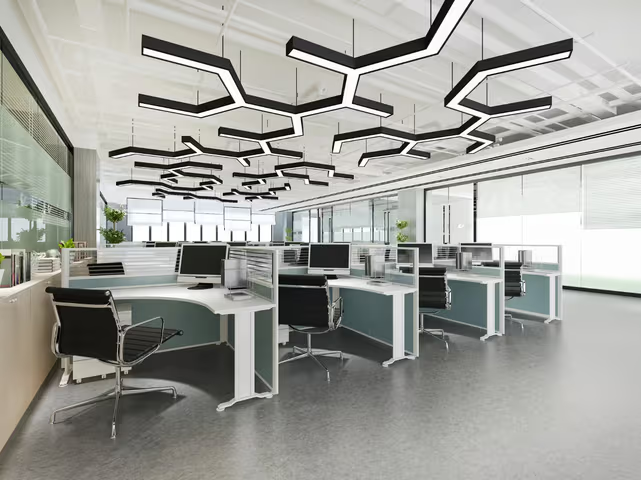
What are Conventional Office Spaces?
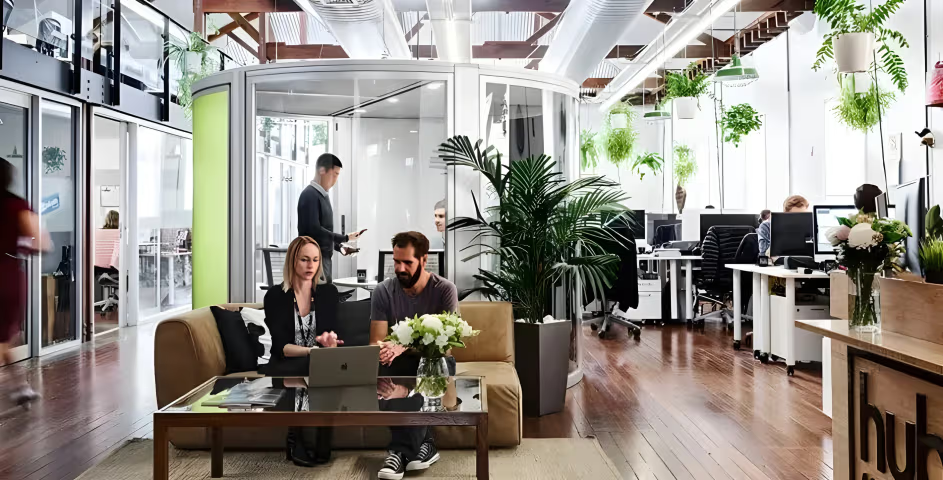
What are Flexible Office Spaces?
Conventional Office Spaces vs. Flexible Office Spaces: The Market Demand
Flexible vs. Conventional Office Spaces: Comparison of Key Features
A comparison of the key features of flexible and conventional office spaces is outlined below.

1. Office Lease Terms
2. Setup & Infrastructure
3. Scalability
4. Cost
5. Flexibility
6. Networking Opportunities
7. Amenities
8. Location
9. Best For
Why Flexible Office Spaces is a Better Option for Your Business Growth?
Frequently Asked Questions (FAQs)
Flexible office spaces are generally more cost-effective, especially for startups and small businesses. They offer short-term leases, include utilities and amenities, and eliminate upfront costs like fit-outs and furniture.
The benefits of flex spaces include shorter lease terms, fully furnished setups, access to shared amenities, and better networking opportunities. They also allow businesses to scale up or down easily based on their needs.
Yes, many flexible office providers offer private office suites and customised spaces that can accommodate large teams or entire enterprises while still providing flexibility and support services.
The drawbacks of choosing a conventional office space include long-term lease commitments, significant upfront investment in setup, and ongoing maintenance costs. Scaling or downsizing is also challenging and expensive.
The main difference between flexible and conventional office spaces is the lease term. Conventional offices usually require long-term leases of 3 to 10 years. In contrast, flex spaces offer short-term leases—monthly or yearly—allowing businesses to adapt quickly to changes.
Flexible office spaces are designed for modern work styles, offering hot desks, meeting rooms, and shared spaces. They allow businesses to support remote teams while providing physical workspace when needed, making them ideal for hybrid models.

We are Australia's No. 1 marketplace for serviced, coworking, and shared office space.
Connect with our local experts for flexible workspace solutions across Australia. Get personalized recommendations, arrange tours, and secure the best deals — all at no cost.