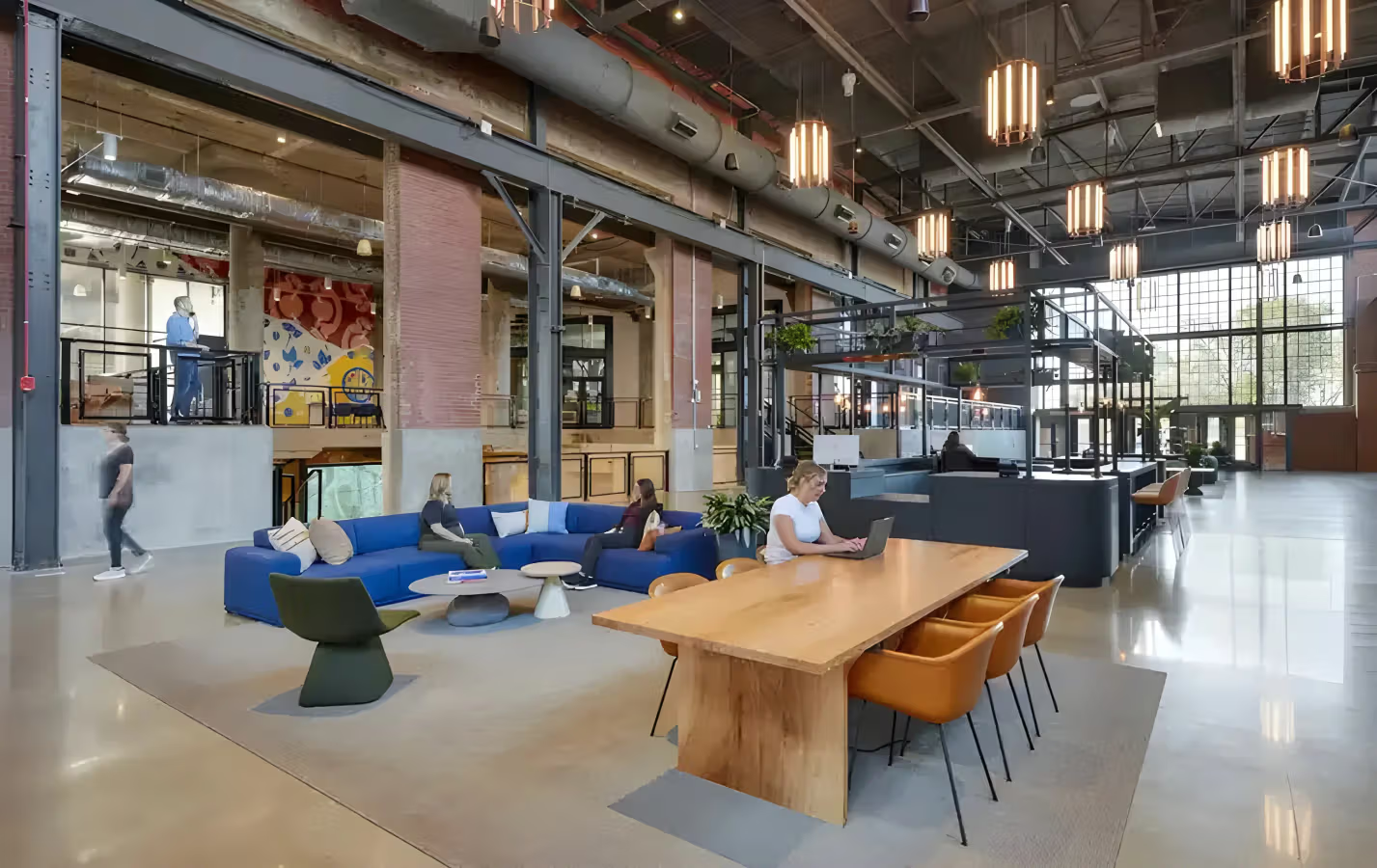
On-Trend: Agile Working in Modern Office Spaces
Last Update: 28 July, 2025•Read: 7 minutes
Say goodbye to static desks and hello to spaces that adapt to your business's evolving needs. Across the UK, offices are getting transformed into magnetic, people-centred environments that seamlessly blend comfort, flexibility, and innovative technology. This evolution signifies a powerful draw for the workforce.
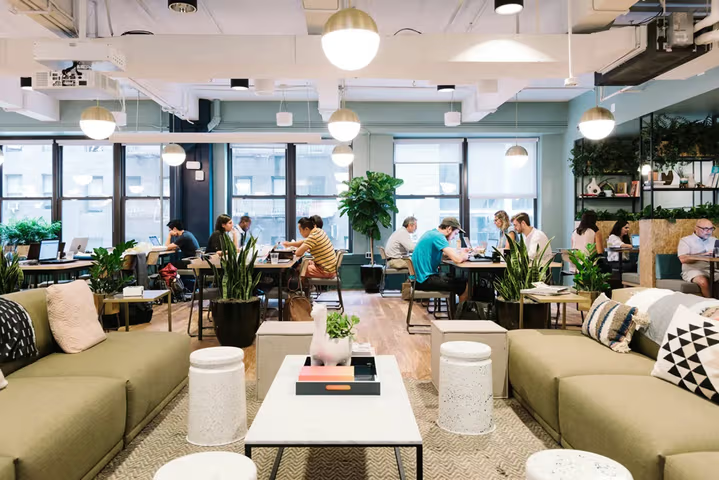
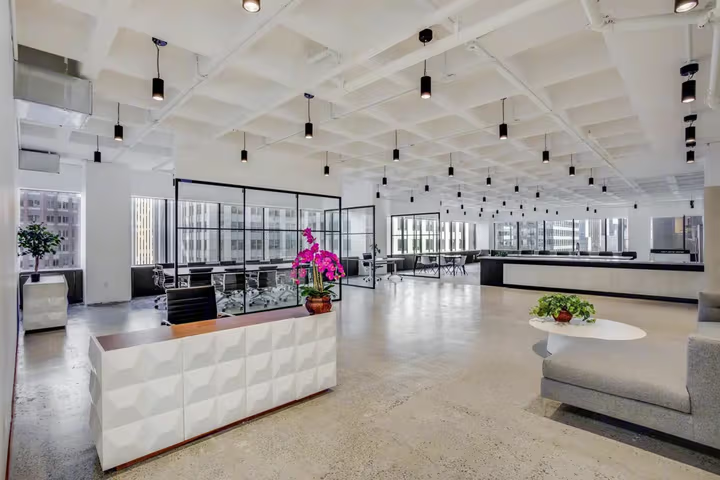
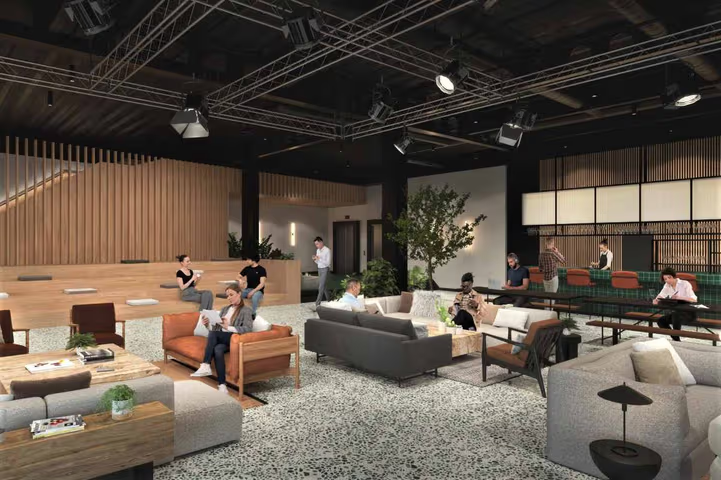
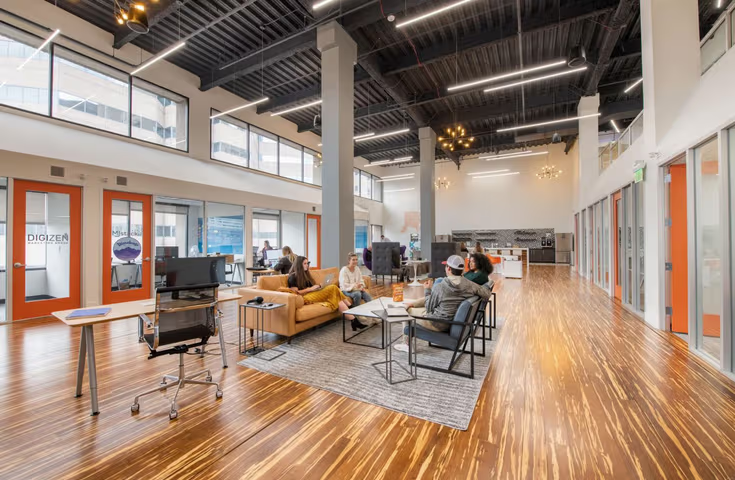
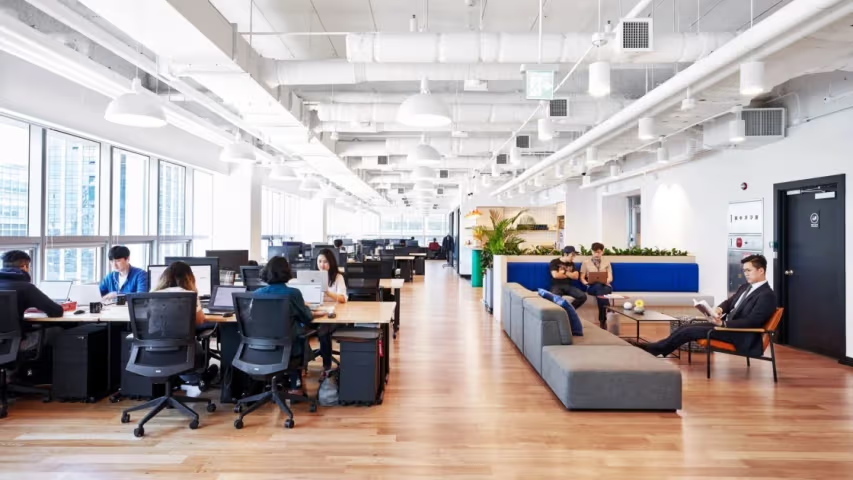
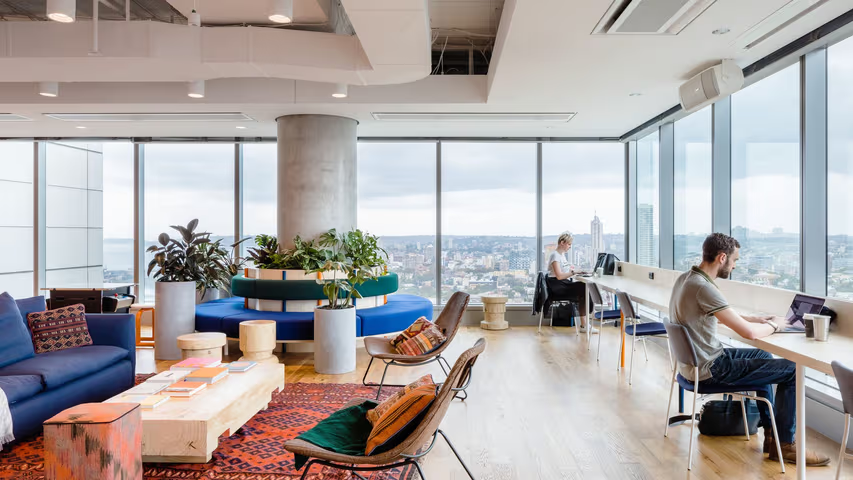
Agile working is redefining the UK business approach to office space. Modern workspaces prioritise adaptability and customisation, moving away from old-school concepts of rigid schedules and fixed desks. Now, companies are refurbishing offices to support hybrid work, boost productivity, and improve employee well-being. Smart reservation systems, flexible furniture, activity-based floor patterns, and breakout areas are a few examples.
This blog explores agile working in modern office spaces, defining its principles, highlighting its significance, and illustrating its current impact on UK workplaces.
Agile working is redefining the UK business approach to office space. Modern workspaces prioritise adaptability and customisation, moving away from old-school concepts of rigid schedules and fixed desks. Now, companies are refurbishing offices to support hybrid work, boost productivity, and improve employee well-being. Smart reservation systems, flexible furniture, activity-based floor patterns, and breakout areas are a few examples.
This blog explores agile working in modern office spaces, defining its principles, highlighting its significance, and illustrating its current impact on UK workplaces.
What is Agile Working in Modern Office Spaces?
Why Agile Working in Modern Office Spaces Matters?
Trends Shaping Agile Workspaces in the UK
1. The Demand for Flexible Offices in the UK
2. The Rise of "Hotelification of Offices" and Suburban Hubs
3. Real Estate Adaptations and Demand Shifts
Which Features Transform Offices into Agile Workspaces?
1. Spaces Designed for Flexibility
2. Design That Supports People and Purpose
3. Technology That Powers Agile Work
Benefits of Agile Working in Modern Office Spaces
1. Boosts Productivity and Engagement
2. Optimises Space and Reduces Costs
3. Improves Employee Wellbeing
4. Attracts and Retains Talent
5. Supports Collaboration and Creativity
6. Future-Proofs the Business
How to Achieve an Agile Workspace?
Embrace Agile Working with Office Hub
Frequently Asked Questions (FAQs)
An agile office is a space designed for movement, adaptability, and variety. It provides flexible spaces, such as focus booths, shared tables, and breakout lounges, designed to suit various work styles rather than offering fixed desks.
The characteristics of an agile-friendly workspace are flexible zones for focus, collaboration, and socialising. These environments, equipped with modular furniture, technological tools, and efficient booking systems, empower individuals to work in their preferred manner. Additionally, they promote well-being and enhance team dynamics.
Agile working in office spaces means designing environments that adapt to tasks, not the other way around. It offers employees the freedom to choose their work environment and methods, resulting in improved outcomes and higher job satisfaction.
Agile working improves productivity by letting people choose the best setup for each task. This fosters a collaborative environment, minimising distractions and prioritising well-being, ultimately resulting in improved productivity.
Key features of an agile workspace include activity-based zones, hot desking, smart technology, and inclusive design. The design allows for quick reconfiguration, facilitating seamless transitions between individual and collaborative tasks.
The best agile working practices for hybrid teams include clear communication, good desk booking systems, hybrid meeting setups, and regular check-ins. Agile offices foster consistency, which teams require, even when working remotely.
Start designing an office for agile working by developing an understanding of your team's tasks and habits. Then create different zones such as quiet, collaborative, and social. Incorporate modular furniture, thoughtful tools, and natural elements to create a flexible and human-centred environment.
Challenges for implementing agile working include managing noise, keeping space fair, supporting remote staff, and changing leadership habits. However, careful planning and team collaboration can effectively overcome these obstacles.
Yes, agile working suits non-tech companies from law to media. Agile offices offer customisable solutions to meet your business's needs, provided your work integrates both focused tasks and collaborative efforts.
Agile working in modern office spaces offers workplace flexibility by integrating choice, technology, and environment. Remote work, a component of agile working, refers to performing duties away from the office.

We are the UK's No. 1 marketplace for serviced, coworking, and shared office space.
Connect with our local experts for flexible workspace solutions across the UK. Get personalized recommendations, arrange tours, and secure the best deals — all at no cost.