Impacts of Flexible Office Design on Employee Well-being
Last Update: 28 February, 2025•Read: 5 minutes
Flexible office design refers to the practice of designing workspaces based on the diverse needs of employees. It involves developing the layout, choosing the right furniture, and integrating technology to create a vibrant, dynamic workplace.
According to a Forbes report, researchers found that effective workplace design significantly impacts employee well-being. It helps employees reduce stress and boost productivity, which ultimately leads to improved work performance.
In this blog, we’ll explore the impacts of flexible office design on employee well-being and offer some effective tips for your workspace. Dig in below, and make an informed decision!
According to a Forbes report, researchers found that effective workplace design significantly impacts employee well-being. It helps employees reduce stress and boost productivity, which ultimately leads to improved work performance.
In this blog, we’ll explore the impacts of flexible office design on employee well-being and offer some effective tips for your workspace. Dig in below, and make an informed decision!
What is Flexible Office Design?
Benefits of Flexible Office Spaces for Employee Well-being
How to Facilitate Employee Wellness in a Flexible Space?
1. Employee-centric Design
2. Natural Elements
3. Ergonomics and Comfort
4. Private and Collaborative Spaces
5. Relaxation and Recreation Areas
6. Technology Integration
Elevate Your Office Design Today!
Frequently Asked Questions (FAQs)
A workplace design that features natural light, biophilic elements, retreat spaces, and collaborative zones can help employees reduce stress, boost mood and energy levels, and promote social interaction.
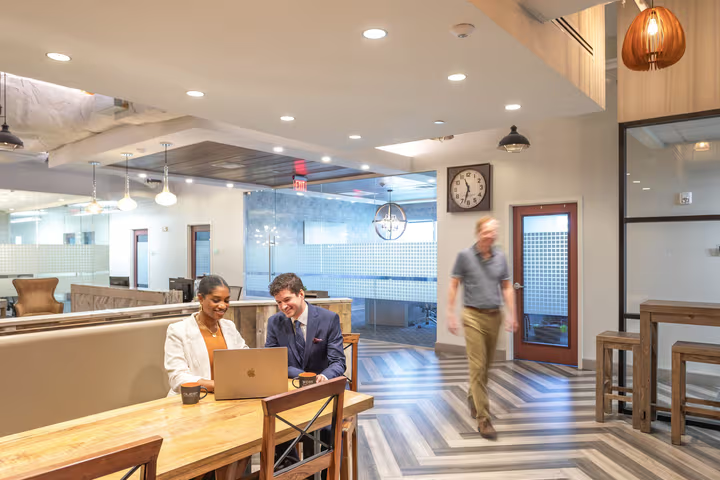
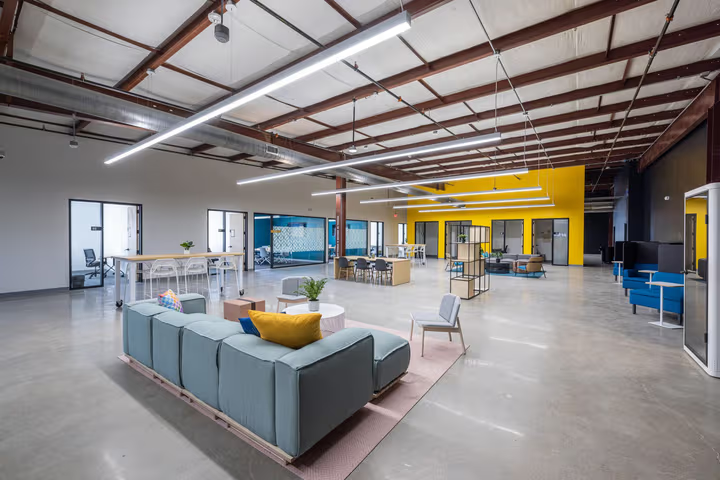
Moveable walls and furniture and areas for both private and group work are all components of a flexible office layout. These characteristics enable workers to select a workspace that best meets their requirements.
Natural light exposure has been shown to improve mood, focus, and sleep patterns. Additionally, it lessens eye strain and makes the space feel cozier, improving worker productivity and well-being.
Supportive sitting, adjustable workstations, and ergonomic chairs improve posture, lessen physical strain, and increase comfort. Employees are more likely to be involved and productive throughout the day.
Office design significantly impacts employee well-being by creating a healthy social, mental, and physical atmosphere. It can raise morale and increase job satisfaction by making employees feel appreciated.

We are the US's No. 1 marketplace for serviced, coworking, and shared office space.
Connect with our local experts for flexible workspace solutions across the US. Get personalized recommendations, arrange tours, and secure the best deals — all at no cost.







-TX-Plano-500-N-Central-Expy-1112932.jpg)