The Ideal Office Space Per Employee in Singapore: A Strategic Guide to Boosting

The Ideal Office Space Per Employee in Singapore: A Strategic Guide to Boosting

Written by: Rebecca Philipp

Last Update: 5 October, 2025Read: 7 minutes
What if your office layout could boost productivity, improve employee well-being, and even help you retain top talent without increasing your square footage?

In Singapore’s dynamic business environment, the way you plan and allocate office space can be a silent driver of success or a hidden cost draining morale and efficiency. The days of cubicle farms and rigid floor plans are gone. Today, the smartest companies are reevaluating the amount of space each employee truly requires, especially with hybrid work, wellness initiatives, and flexible seating becoming the new norm.

This blog examines the ideal office space allocation per employee in Singapore, why it matters more than ever, and how to achieve it to fuel growth and engagement in the modern workplace.

What is the Importance of a thoughtful Office Space per Employee?
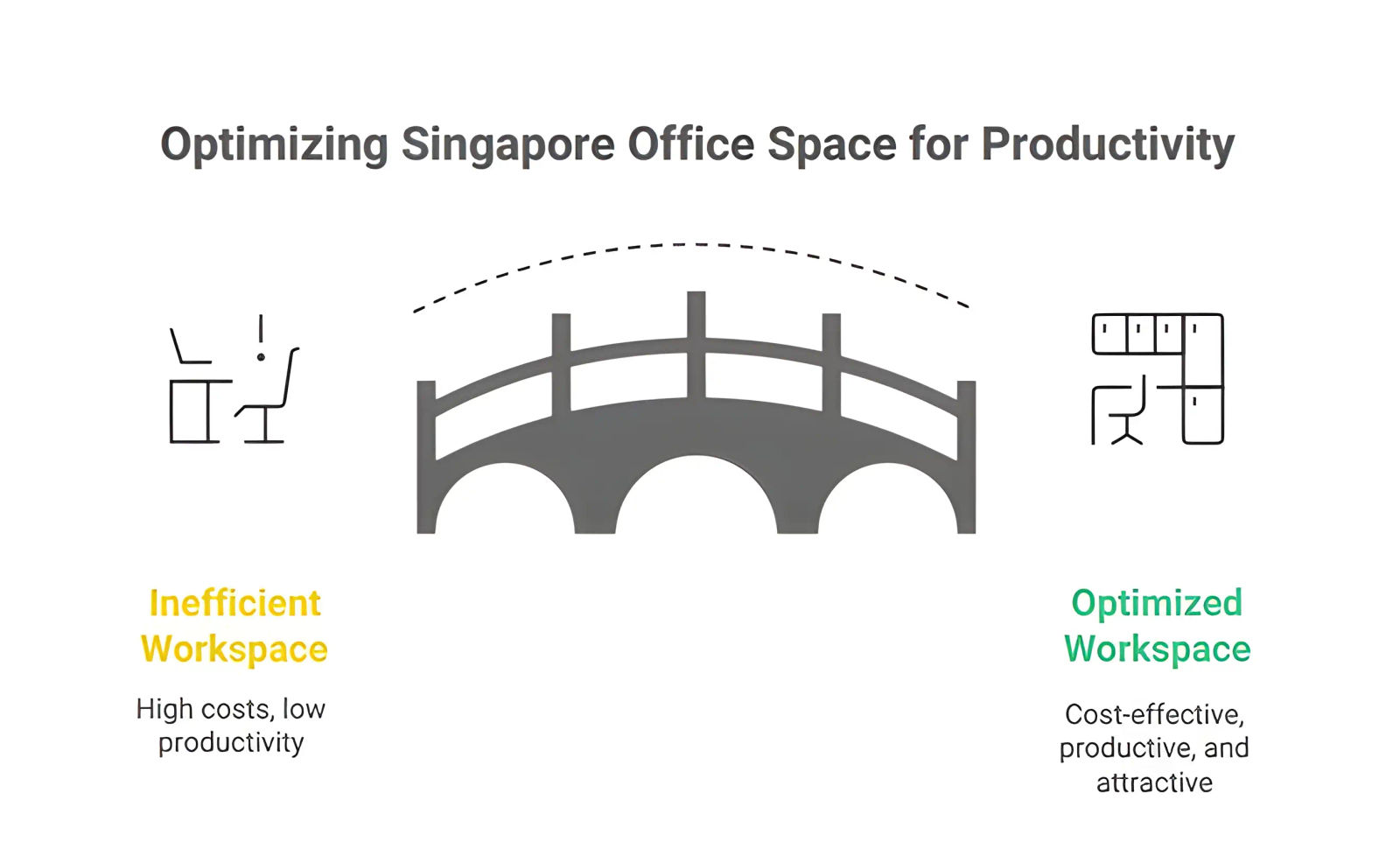
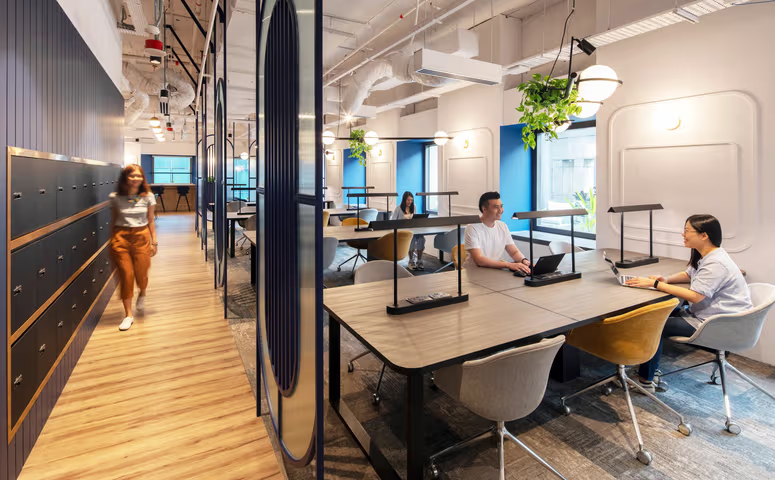
Optimisation of office spaces in Singapore - inefficient workspace vs. efficient workspace
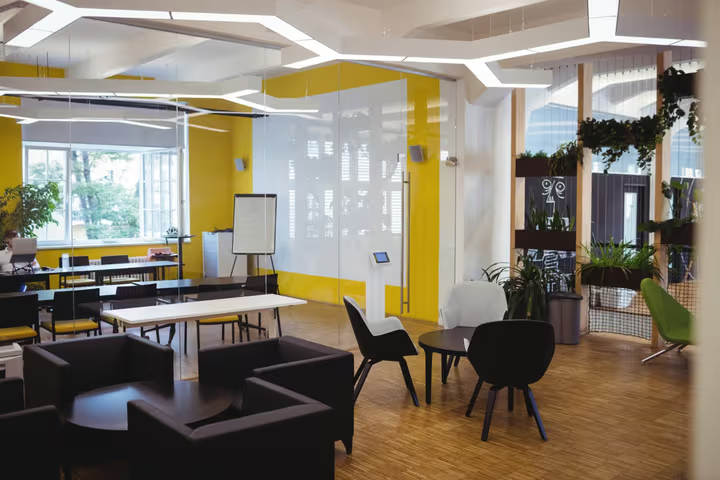
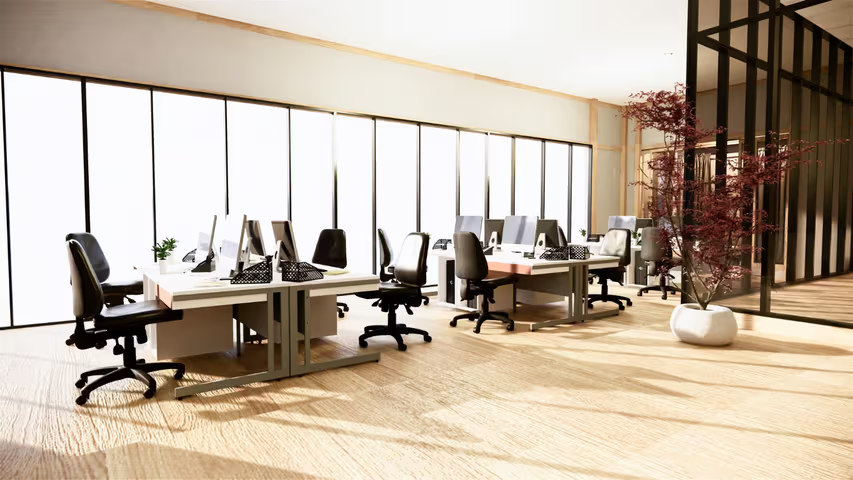
Office space in Singapore is more than just square footage—it’s an important factor that influences productivity, collaboration, employee well-being, and talent retention. In a fast-paced business environment like Singapore’s, the quality and layout of your workspace can directly affect your team's performance and overall workplace satisfaction.

A well-sized and thoughtfully designed office helps reduce the feeling of being cramped, improving focus and efficiency. Conversely, insufficient space can lead to discomfort, stress, and even reduced attendance. The layout also matters; for instance, open and flexible spaces encourage communication and collaboration, whereas rigid cubicle setups hinder team dynamics and innovation.

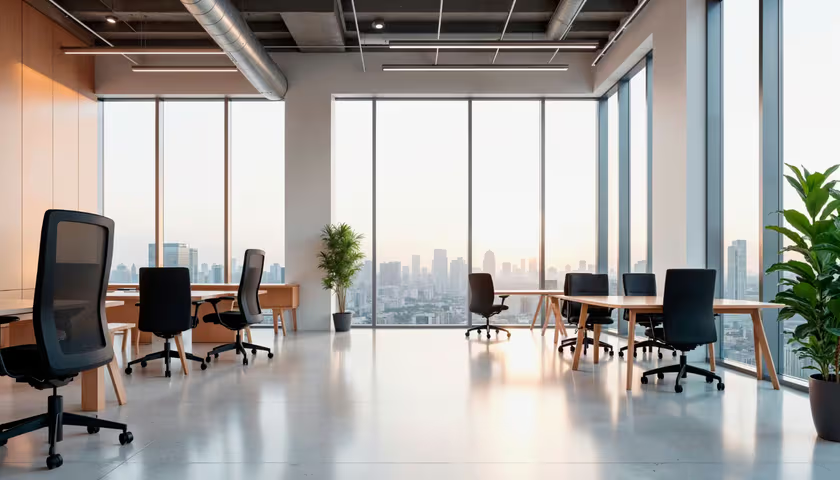
A flexible office design also plays a strategic role in attracting and retaining top talent in a competitive market. Offices that feature natural light, ergonomic furniture, modern fit-outs, and breakout areas not only elevate the work environment but also reflect a company's values and culture. Just as leading global firms like Google are known for their impressive office designs, Singapore-based businesses are increasingly investing in spaces that enhance employee experience.

What is the Connection Between Workplace Quality and Employees ' Well-Being?
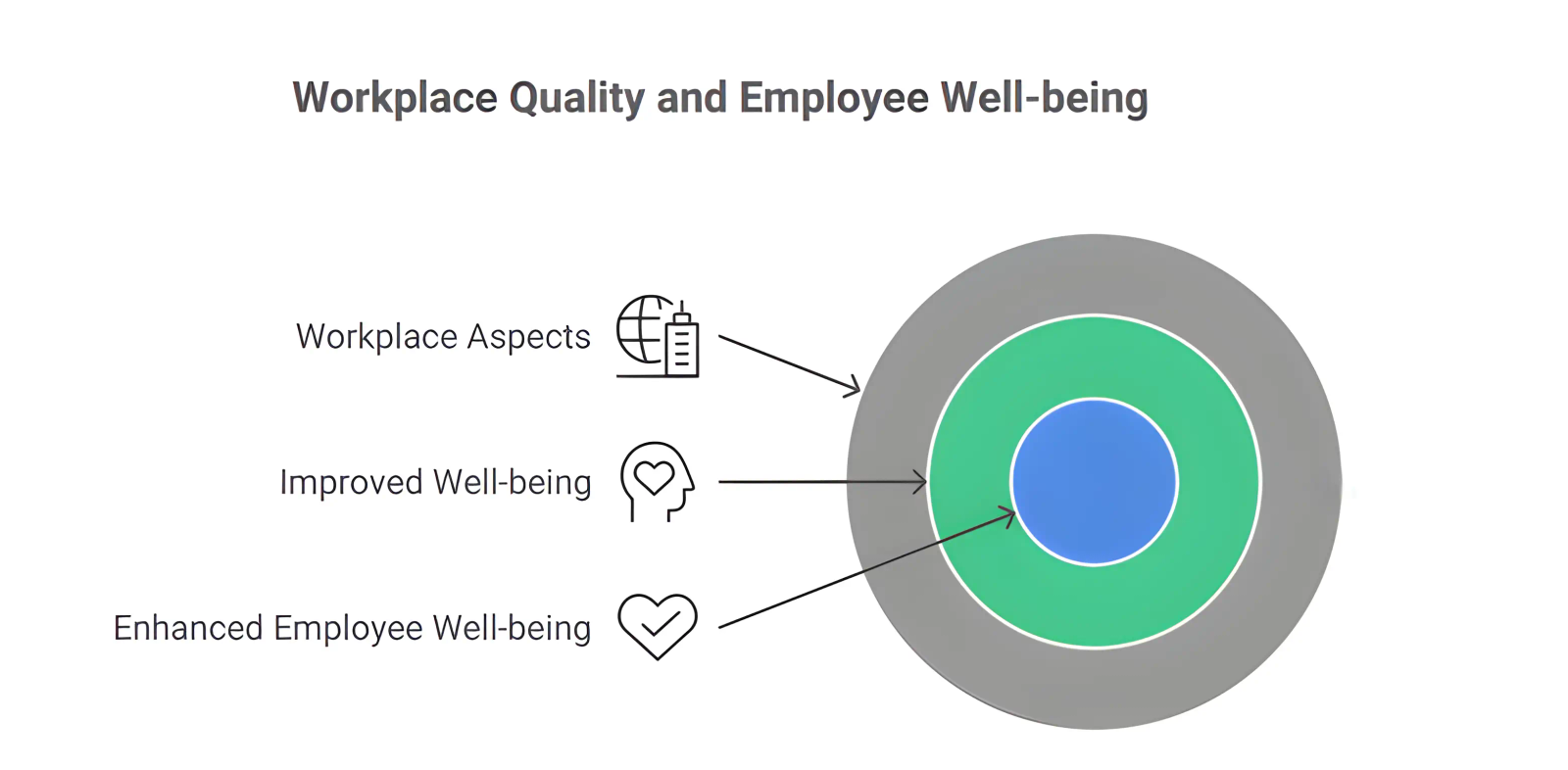
Connection Between Workplace Quality and Employees ' Well-Being
Workplace quality plays a critical role in shaping the overall well-being of employees. As illustrated, this connection can be understood in three key layers: workplace aspects, improved well-being, and enhanced employee well-being, covered below.

Workplace Aspects

Firstly, workplace aspects—such as lighting, layout, noise levels, air quality, furniture ergonomics, and access to collaborative or private spaces—form the foundation of the physical and psychological work environment. These elements may seem basic, but they have a significant impact on how employees feel and perform throughout the day.

Improved Well-being

Secondly, when these aspects are thoughtfully designed and well-maintained, they lead to improved well-being. Employees experience better focus, reduced stress, increased comfort, and greater job satisfaction. For example, a workspace with natural light and quiet zones can reduce fatigue and mental strain, allowing employees to remain engaged and productive.

Employee Well-being

Lastly, these improvements culminate in enhanced employee well-being—a holistic state where employees not only perform efficiently but also feel mentally and emotionally supported. This deep-level impact boosts morale, reduces absenteeism, and contributes to long-term talent retention.

What are the 5 Common Tips for Office Space per Employee in Singapore?
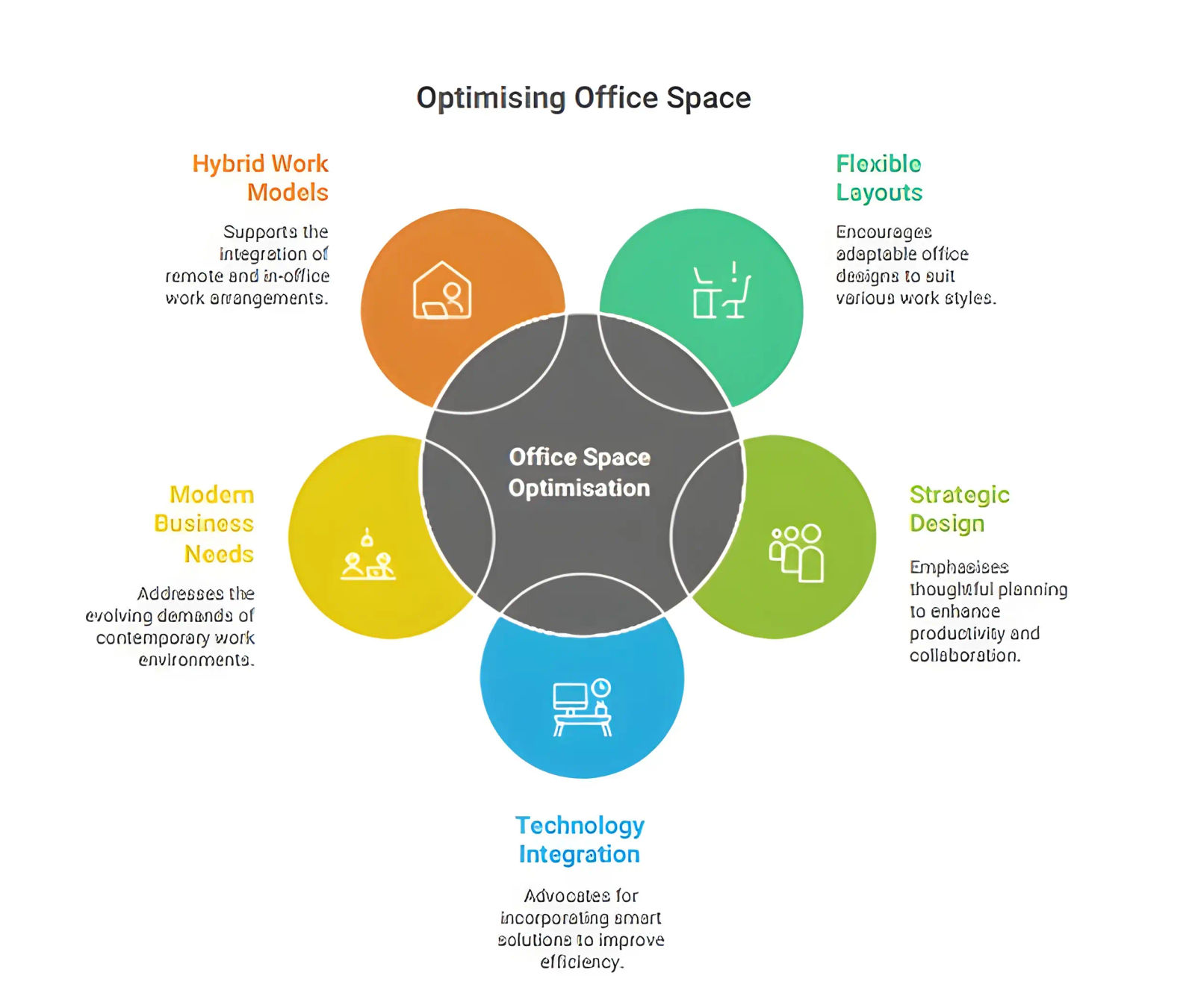
5 Common Tips for Office Space per Employee in Singapore
Optimising office space in Singapore is crucial for productivity, collaboration, and efficiency, especially with evolving hybrid work models. This section provides five tips, covering flexible layouts, strategic design, technology integration, and desk allocation.

1. Strategic Space Allocation: Beyond the Desk

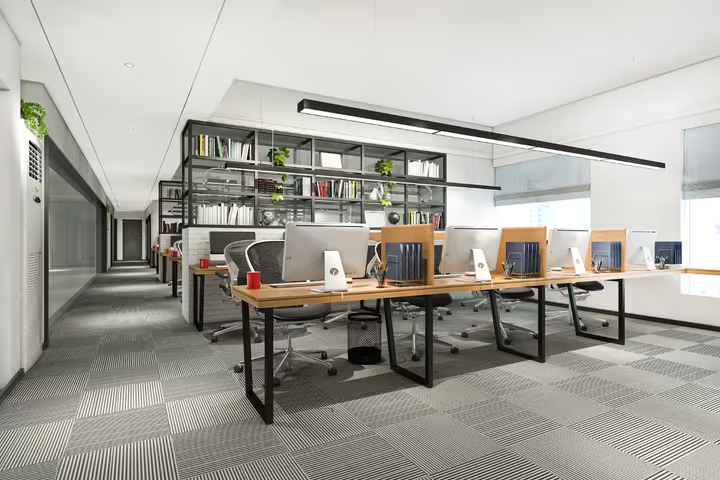
When planning office space, it's vital to think beyond individual workstations. A comprehensive approach allocates 100–150 sq ft per person, and this figure should inherently include shared amenities. This means factoring in meeting rooms, collaborative breakout areas, quiet zones, and even circulation space.

2. Role-Based Needs: Tailoring Spaces to Functions

A one-size-fits-all approach to office design is rarely practical. Instead, consider the diverse needs of your office space per employee and responsibilities. For instance, open-plan layouts are highly beneficial for teams that require frequent collaboration and brainstorming. These spaces encourage spontaneous discussions and a sense of community.

3. Hybrid Work Design: Embracing Flexibility

The rise of hybrid work models necessitates a shift towards flexible office designs. Implementing solutions like hot-desking allows employees to choose an available workstation when they are in the office, reducing the need for every employee to have a dedicated desk.

4. Incorporation Office Space per Employee, Technology, and Smart Solutions

Modern office design in Singapore increasingly leverages technology to enhance efficiency and flexibility. Integrating innovative building systems can optimise energy consumption, lighting, and climate control, contributing to a more sustainable and comfortable environment.

5. Prioritising Employee Well-being and Amenities

Beyond core work areas, the well-being of employees should be a central consideration in office space planning. Providing amenities such as ergonomic furniture, ample natural light, and integrating biophilic elements can significantly boost morale and productivity. Additionally, dedicated wellness rooms, quiet zones for focused work or relaxation, and communal areas that encourage social interaction all contribute to a positive work culture.

Ready to Optimise Your Office Space per Employee in Singapore?

Optimising office space per employee in Singapore isn't just a logistical exercise—it’s a strategic move that affects your team's productivity, well-being, and your company’s bottom line. By balancing function with flexibility and understanding your team’s unique needs, you can create a workspace that empowers performance and supports long-term growth.

Let Office Hub simplify the process. Contact us today to explore flexible office spaces tailored to your team’s size, work style, and budget—complete with expert guidance, transparent pricing, and curated listings in Singapore’s most sought-after locations.

Frequently Asked Questions (FAQs)

On average, 100 to 150 square feet (9 to 14 sqm) per person is recommended. This includes a workstation and a share of communal areas such as meeting rooms, break zones, and circulation space.
Office space per employee needs at least 36 to 50 square feet (3.3 to 4.6 sqm) of desk space. This covers the workstation itself and some immediate personal space for comfort and productivity.
Singapore does not have strict laws regulating per-person office space; however, guidelines ensure safe and healthy working conditions, including adequate ventilation, fire safety compliance, and zoning regulations. The Urban Redevelopment Authority (including the verns office property usage.
While sizes vary by location and business type, most small to mid-sized companies in Singapore lease offices ranging from 500 to 5,000 square feet, depending on team size and layout, serviced offices offer even more flexibility with smaller footprints.
Multiply the number of employees by 100 to 150 sq ft, then add additional square footage for meeting rooms, storage, breakout areas, and future growth. Use space planning tools or consult workspace experts for a tailored estimate.
A balanced office density ratio is around 120–150 sq ft per employee, promoting both efficiency and comfort. High-density layouts with less than 100 sq ft per person may lead to overcrowding, while overly spacious layouts may underutilise resources.
As of 2025, Grade A office space in CBD areas averages S$10 to S$15 per square foot per month, while fringe locations may range from S$6 to S$9 per square foot per month. Serviced or coworking spaces are typically charged per desk, starting from S$500/month.
Rebecca Philipp
Rebecca Philipp
ABOUT THE AUTHOR
Rebecca Philipp
Rebecca Philipp is a dynamic leader passionate about building bold, innovative brands that spark growth and inspire change. As the heart of the team, Rebecca fosters a positive workplace and empowers every member to thrive—earning her the title of "The Queen" with pride.

We are Singapore's No. 1 marketplace for serviced, coworking, and shared office space.

Connect with our local experts for flexible workspace solutions across Singapore. Get personalized recommendations, arrange tours, and secure the best deals — all at no cost.


Office Hub team memberOffice Hub team memberOffice Hub team memberOffice Hub team member

Talk to our Experts directly

6232 6729

Latest News

Explore trends, data, and tips shaping Singapore’s dynamic office market

Arcc Spaces Is Opening a New Premium Workspace at Bank of Singapore Centre

Arcc Spaces Is Opening a New Premium Workspace at Bank of Singapore Centre

Raffles Place is getting a new premium workspace address! In June 2026, Arcc Spaces is all set to open its latest Singapore centre at Bank o... Read more
Angeline Suriaatmaja12 June, 2026
Breaking New Ground: Inventory Integrations That Change Everything

Breaking New Ground: Inventory Integrations That Change Everything

In the flexible workspace game, speed and accuracy matter. Outdated listings, incorrect availability, and manual updates don’t just slow you... Read more
Rebecca Philipp11 May, 2026
Now Featuring: Arcc Spaces at Bank of Singapore - A New Chapter in Raffles Place

Now Featuring: Arcc Spaces at Bank of Singapore - A New Chapter in Raffles Place

In Singapore, office space is not just a place to work but a part of how a business presents itself, operates, and grows. And this is quite ... Read more
Daniel Lange1 April, 2026
The New Landmark of Luxury: Arcc Spaces’ Premium Offices in Singapore

The New Landmark of Luxury: Arcc Spaces’ Premium Offices in Singapore

Singapore’s flexible workspace industry hits another milestone. Arcc Spaces now offers four exceptionally designed offices across key distri... Read more
Miles Anderson31 March, 2026
Scale Your Startup with Low-Cost Office Rentals in Singapore

Scale Your Startup with Low-Cost Office Rentals in Singapore

Expensive offices in the main business areas are no longer a preference for businesses in Singapore. From startups to growing SMEs, companie... Read more
Daniel Lange19 January, 2026
Coworking Spaces' Impact on Solo Innovators

Coworking Spaces' Impact on Solo Innovators

Across Singapore’s fast-evolving professional scene, a quiet revolution is transforming how solo creators and independent thinkers operate. ... Read more
Andrew Beck19 January, 2026
Office Hub Launches First Strategic Partnership in the Netherlands, Marking a Major Milestone in Global Expansion

Office Hub Launches First Strategic Partnership in the Netherlands, Marking a Major Milestone in Global Expansion

Office Hub, the global flexible workspace advisory and technology platform, today announced the launch of its first licensed market in the N... Read more
Rebecca Philipp13 January, 2026
A Guide to Employee-Centric Flexible Office Amenities That Actually Matter

A Guide to Employee-Centric Flexible Office Amenities That Actually Matter

The office is no longer just a place to execute tasks; it is a powerful tool for recruiting, retention, and performance. According to WOW Re... Read more
Andrew Beck8 January, 2026
Short-Term vs. Long-Term Office Leases: Which One is Better for Your Business?

Short-Term vs. Long-Term Office Leases: Which One is Better for Your Business?

Selecting the right lease term has become a crucial element of modern business. It is not only about getting a workspace anymore; it is abou... Read more
Andrew Beck6 January, 2026
Handling Shared Space Operations: A Guide for Multi-Tenant Management

Handling Shared Space Operations: A Guide for Multi-Tenant Management

Managing a shared workspace is about creating an environment where every tenant feels valued, productive, and supported. When operations run... Read more
Andrew Beck6 January, 2026
How to Make Your Space Eco-Ready and Marketable for Tenants

How to Make Your Space Eco-Ready and Marketable for Tenants

Sustainability is no longer a niche trend in commercial real estate; it is a core expectation for tenants and investors alike. An eco-ready ... Read more
Angeline Suriaatmaja6 January, 2026
The Future of Flexible Workspaces: Insights for Space Providers

The Future of Flexible Workspaces: Insights for Space Providers

The flexible workspace industry stands at a critical juncture. The shift to permanent hybrid models is a foundational change driving global ... Read more
Angeline Suriaatmaja12 December, 2025
The Importance of Flexible Lease Terms for Attracting Modern Tenants

The Importance of Flexible Lease Terms for Attracting Modern Tenants

The rental market has fundamentally changed. Today's tenants, driven by dynamic careers and lifestyle needs, are no longer content with ... Read more
Rebecca Philipp12 December, 2025
How to Price Your Office Space Competitively

How to Price Your Office Space Competitively

Setting a market-aligned price for your flexible office space is a critical, ongoing strategic decision. The core goal for every property pr... Read more
Angeline Suriaatmaja11 December, 2025
Designing Your Perfect Workspace: Layout Tips for Productivity and Culture

Designing Your Perfect Workspace: Layout Tips for Productivity and Culture

Congratulations ! Moving into a new office is a significant milestone for any growing startup. Now that the boxes are unpacked and the WiFi ... Read more
Daniel Lange2 December, 2025