1. Enhanced Collaboration and Innovation
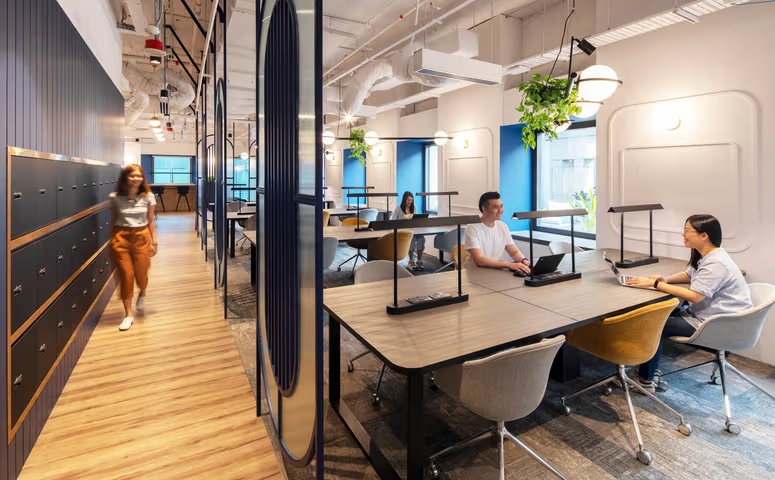
One of the primary advantages of traditional offices in Singapore is the unparalleled environment it creates for collaboration and innovation. Face-to-face interactions foster seamless communication, enabling spontaneous idea sharing, brainstorming sessions, and problem-solving discussions. The physical presence of colleagues cultivates a sense of community, fueling creativity and teamwork.
2. Strengthened Professional Relationships
In a traditional office setting, personal connections and professional relationships are built through face-to-face interactions. Colleagues have the opportunity to bond beyond work tasks, establishing trust, camaraderie, and a sense of shared purpose, making this one of the best advantages of traditional office. These relationships contribute to a supportive work culture and can open doors to new opportunities within the organization.
3. Cultivation of Work Culture and Values
Another one of the most remarkable advantages of traditional office is it plays a vital role in shaping and cultivating a strong work culture. Being physically present in the office allows employees to experience the company's values firsthand, reinforcing a sense of belonging and commitment. Regular team meetings, town halls, and corporate events provide platforms for aligning goals, recognizing achievements, and fostering a cohesive work environment.
4. Immediate Feedback and Mentoring Opportunities
The traditional office facilitates immediate feedback and mentoring opportunities. Colleagues and superiors can provide timely guidance, constructive criticism, and mentorship in person, accelerating learning curves and skill enhancement. You will also have the rare opportunity to gain new knowledge from experienced professionals within your own organization.
5. Structured Routine and Work-Life Balance
One of the best advantages of traditional office is it provides a structured routine that promotes work-life balance. Having a dedicated workspace away from home creates clear boundaries between professional and personal life. Employees can mentally disconnect from work once they leave the office, reducing the risk of burnout and promoting well-being.
6. Access to Specialized Resources and Technology
Traditional offices in Singapore offer access to specialized resources and technology not readily available at home, enhancing work efficiency. With high-speed internet, advanced software and hardware, well-equipped conference rooms, and specialized equipment, experience an accelerated pace of work and heightened productivity.
7. Efficient Team Coordination and Project Management
The physical presence of team members in a traditional office greatly simplifies coordination and project management. Face-to-face interactions enable immediate discussions, clarifications, and quick decision-making. Collaborative tools and whiteboard sessions facilitate real-time visualization and planning, ensuring that projects progress smoothly.
8. Networking and Business Opportunities
This is one of the most interesting advantages of traditional office: it opens doors to networking and business opportunities that may not be easily accessible for those working remotely, such as in a virtual office. Engaging with colleagues, clients, and industry peers in person allows for spontaneous connections and the establishment of professional networks. Attending industry events, conferences, and seminars organized within the office premises can lead to valuable partnerships, business collaborations, and career advancements.
9. Improved Work Discipline and Focus
For many individuals, the traditional office environment provides the necessary structure and discipline to stay focused and productive. The physical separation of the workspace from home distractions allows employees to immerse themselves in their tasks without interruptions, which makes this one of the most beneficial advantages of traditional office.
10. Sense of Belonging and Pride
Last on our list of advantages of traditional office is it fosters a sense of belonging and pride among employees. The act of sharing a physical workspace cultivates a collective identity and nurtures a deep sense of pride in the organization's accomplishments and core values. This strong attachment employees develop towards their workplace fosters elevated levels of job satisfaction, loyalty, and unwavering commitment.