The Ultimate Guide to Virtual Office vs Traditional Office
In the ever-evolving landscape of modern work environments in the United States (US), a clash of workspace has emerged. Virtual office versus traditional office: which is better?
As technology continues to reshape the way we work, the traditional 9-to-5 office setup is facing stiff competition from virtual alternatives that offer flexibility, efficiency, and remote collaboration. This intriguing confrontation sparks a multitude of questions regarding productivity, work-life balance, employee satisfaction, and the future of work itself.
To make things clear, let’s delve into the defining characteristics of both virtual office and traditional office. Let’s uncover their strengths and weaknesses and understand which model might ultimately claim the throne as the preferred workspace paradigm for the workforce of tomorrow.
Which one reigns supreme in the ever-changing world of business? Let's buckle up and explore the advantages of each, but spoiler alert: the ultimate winner may surprise you!
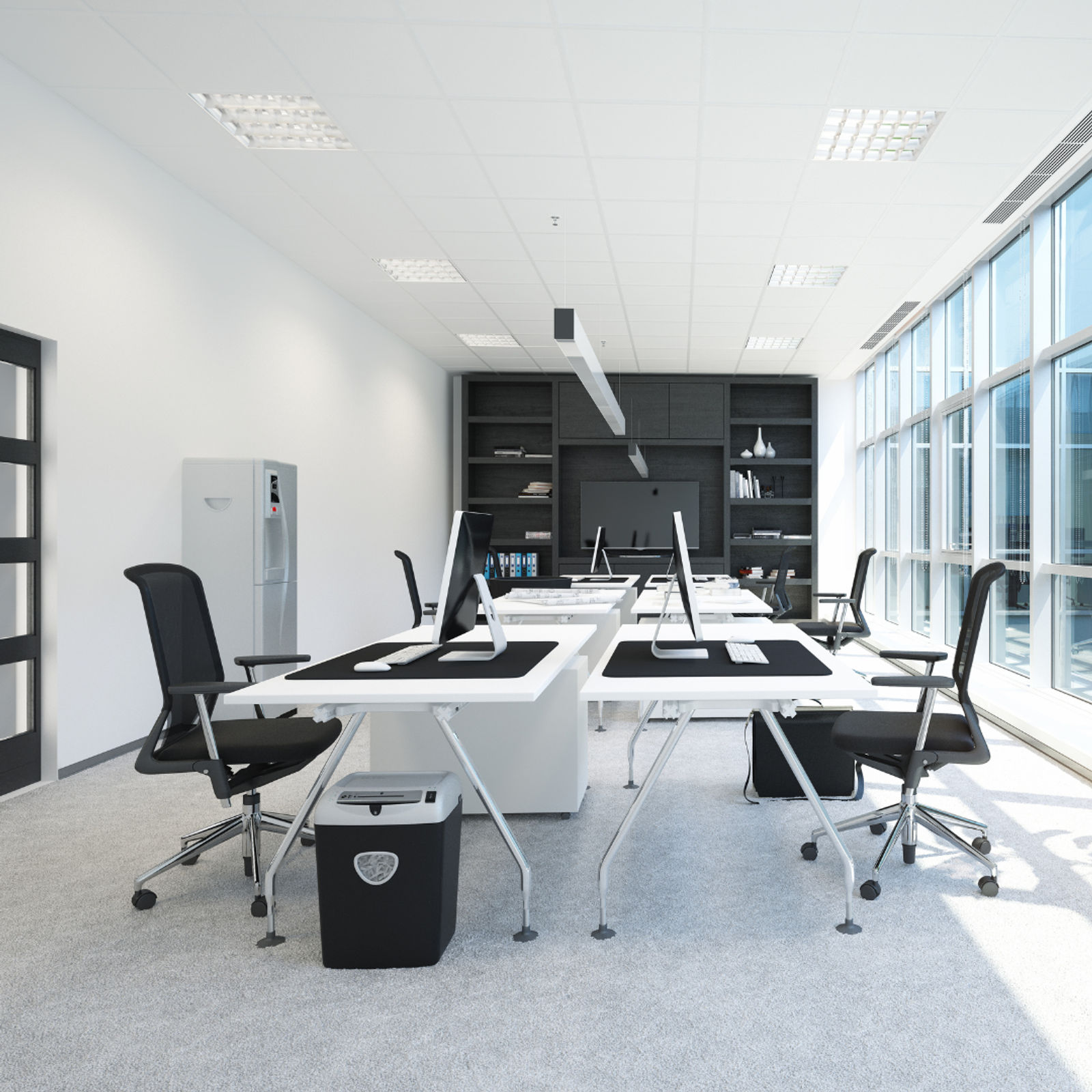
The Traditional Office: Nostalgia and Familiarity
Physical interactions with your colleagues is the best part of working in a traditional office.
The Rise of the Virtual Office: Embrace the Future
Enhance your productivity, flexibility, and work-life balance with a virtual office setup.
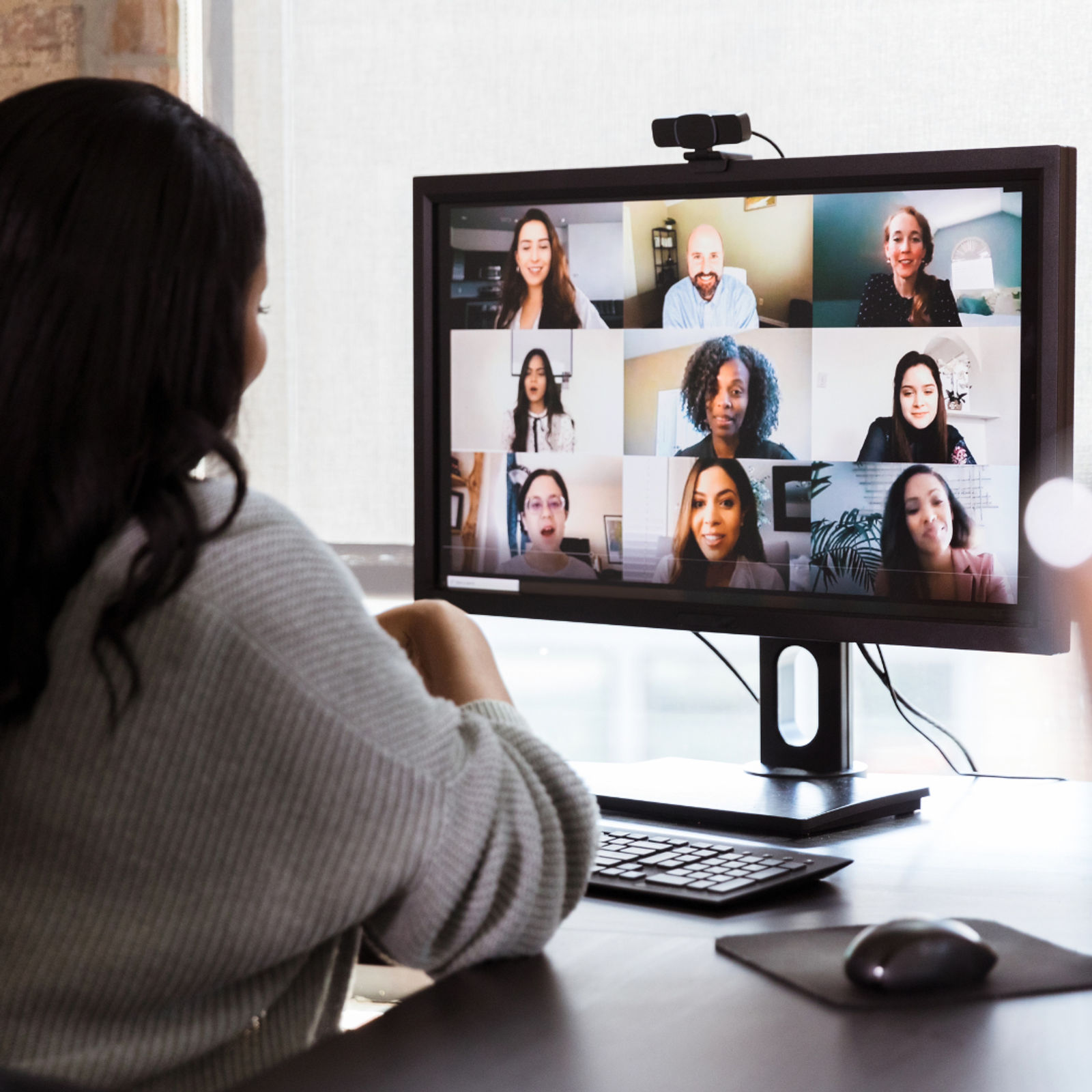
Embracing the Virtual Office: The Future of Work
Embrace the future of work and make your lives better with virtual offices.

The Future is Virtual
Get a Virtual Office Now with Office Hub

We are the US's No. 1 marketplace for serviced, coworking, and shared office space.
Connect with our local experts for flexible workspace solutions across the US. Get personalized recommendations, arrange tours, and secure the best deals — all at no cost.