Why Corporations Are Switching to Flexible Office Solutions?
Last Update: 1 March, 2025•Read: 7 minutes
The traditional office setup is transforming as corporations adapt to modern working dynamics. With rising operational costs, a shift towards hybrid working, and an increased demand for agility, businesses are moving away from conventional office leases.
Nowadays, businesses embrace flexible office spaces, a model that offers cost-effectiveness, scalability, and enhanced employee satisfaction. But why are businesses moving to flexible offices?
In this blog, we’ll delve into the reasons why businesses are making the switch and how these spaces can provide a competitive advantage. We will also explore its types, benefits, and additional considerations.
Nowadays, businesses embrace flexible office spaces, a model that offers cost-effectiveness, scalability, and enhanced employee satisfaction. But why are businesses moving to flexible offices?
In this blog, we’ll delve into the reasons why businesses are making the switch and how these spaces can provide a competitive advantage. We will also explore its types, benefits, and additional considerations.
What Are Flexible Office Solutions?
Types of Flexible Workspaces
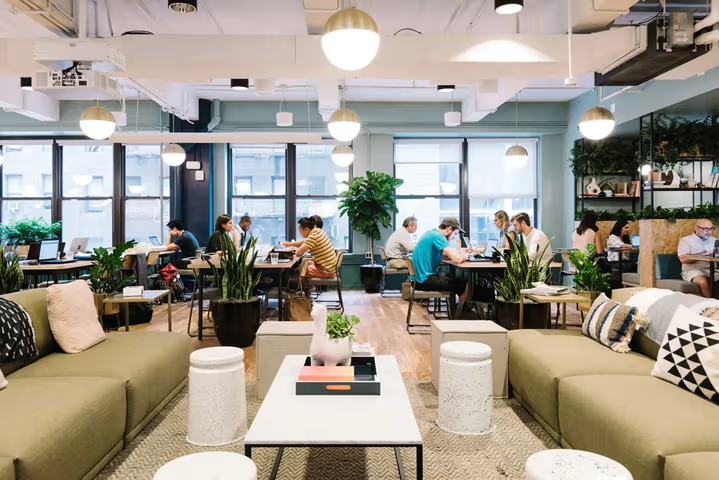
Coworking Spaces
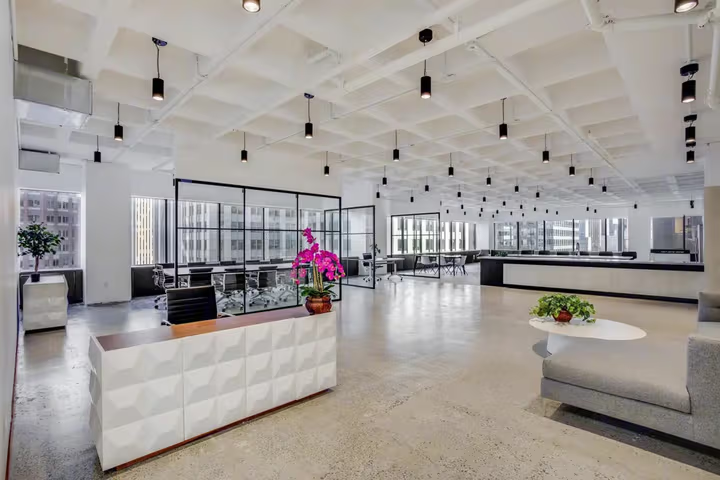
Serviced Offices
Virtual Offices
Top Reasons Why Companies Choose Flexible Workspaces
Rising Commercial Real Estate Costs
Shift Towards Hybrid Work Models
Need for Agility and Scalability
Attracting and Retaining Talent
Focus on Core Business Operations
Sustainability and Reduced Carbon Footprint
Benefits of Flexible Office Spaces
1. Cost Efficiency and Reduced Overheads
2. Access to Premium Locations
3. Enhanced Employee Productivity and Well-being
4. Improved Networking and Collaboration Opportunities
5. Seamless Technology Integration
Additional Considerations & Factors
Office Hub: Your #1 Partner for Flexible Office Solutions in the UK
Frequently Asked Questions (FAQs)
Flexible offices provide corporate employees with better work-life balance, access to modern amenities, and increased networking opportunities. They also offer improved collaboration, reduced commuting stress, and a more engaging work environment, leading to enhanced productivity and overall job satisfaction.
Technology enables seamless remote collaboration, efficient space management, and smart office solutions in flexible workspaces. High-speed internet, cloud-based tools, and automated booking systems ensure businesses operate smoothly, making flexible offices a viable alternative to traditional work environments.
Yes, many flexible offices cater to large enterprises by providing customisable private suites, entire office floors, and enterprise-grade infrastructure. These workspaces offer scalability, advanced security, and tailored amenities to meet the operational needs of large corporations.
Flexible offices allow businesses to establish a professional presence in prestigious locations while providing a modern work environment. Custom branding options, collaborative spaces, and tailored office designs help reinforce company culture and enhance brand identity.
Flexible office spaces typically have lower upfront costs and no long-term lease commitments, reducing financial risk. Businesses save on maintenance, utilities, and furnishings, making flexible offices more cost-effective than traditional leases.
Rebecca Philipp
ABOUT THE AUTHOR
Rebecca Philipp is a dynamic leader passionate about building bold, innovative brands that spark growth and inspire change. As the heart of the team, Rebecca fosters a positive workplace and empowers every member to thrive—earning her the title of "The Queen" with pride.
We are the UK's No. 1 marketplace for serviced, coworking, and shared office space.
Connect with our local experts for flexible workspace solutions across the UK. Get personalized recommendations, arrange tours, and secure the best deals — all at no cost.